
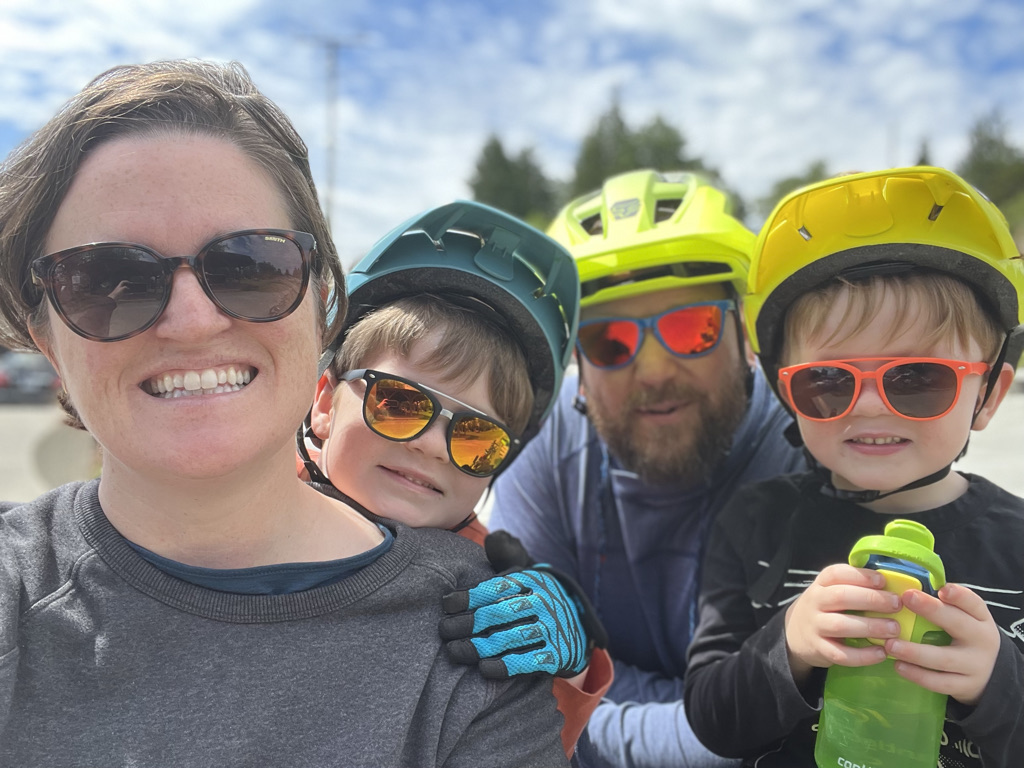
This Mother’s Day, we want to celebrate many of the female archaeologists in our midst who are juggling work-life “balance” on the regular, something that also becomes more apparent during our field season. It’s no new news that having to be away from home for extended periods of time in the field means that there are missed events and milestones back at home. That being said, this isn’t specific to just women; this applies to all of the dads out there, along with anyone having to care for someone back home, whether it’s an elderly parent or a child.
On April 13, we held our second-ever event, focused on the topic of Parenthood and the Field, what some might say is the toughest part about being in the field as a parent. If you’re not already aware, Circle CRM’s Managing Director Margarita de Guzman founded The Fair Field Foundation with the intention of championing and celebrating female archaeologists by providing women-led engagement opportunities – pretty cool, if we do say so ourselves.
As part of our Mother’s Day celebration, we wanted to bring some of the key tips and informational nuggets that we gathered from the Parenthood and the Field discussion.
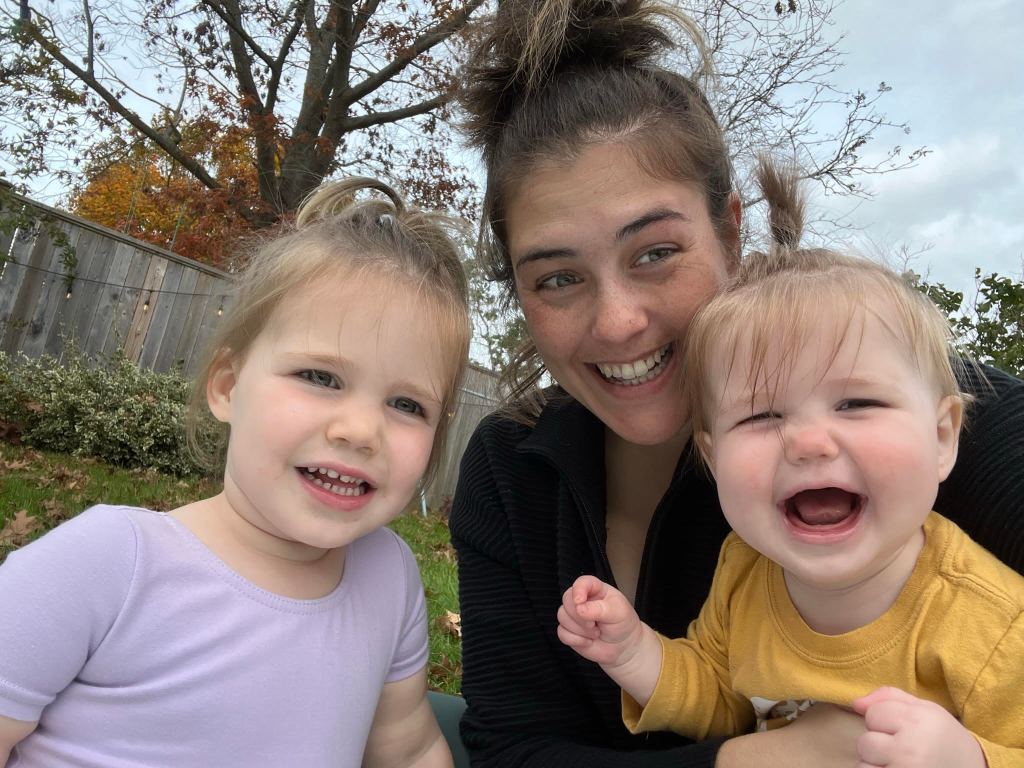
The panel featured three incredible Senior Archaeologists and moms:
- Jennifer Botica, Principal and Senior Archaeologist at Kleanza Consulting Ltd. (Bowser, BC)
- Kristin McKay, General Manager, Circle CRM Group Inc. (Edmonton, AB)
- Sarah Ingram, Partner & Archaeologist at CRM Group Ltd. (Bedford, NS)
In addition to these three wonderful women, the FFF brought in Chelsea Colwell-Pasch, President and Senior Archaeologist of Colbr Consulting Inc., to moderate the discussion. We would like to take a moment to acknowledge that all of these women come from a privileged place: middle class, highly-educated, and notably, none are BIPOC, meaning their experiences paint part of the picture due to their social location. Through their combined experiences as moms and archaeologists, our speakers explained how they navigated the joys and challenges of being a parent while building their careers. Read through some of the questions and answers below!
Where were you at in your career when you started a family? What did you have to adjust? How did you feel about it?
Many of the panelists reflected on the difficulties that they had with the term “geriatric pregnancy,” which was used to describe many of their pregnancies during their formative career-building years. During Sarah’s first pregnancy, she was talking about purchasing the company, meaning there was some pressure to continue doing the amount of field work to earn her place as a potential owner.
For Kristin, she thought, “I’m going to be a mom, and I need to figure out what to do for a job.” The biggest thing that she had to adjust to was going into the spring season pregnant and doing mostly office tasks. A significant theme that came up in this portion of the panel was a lot of adjustment of expectations vs reality.
What are the barriers that you’ve had to overcome?
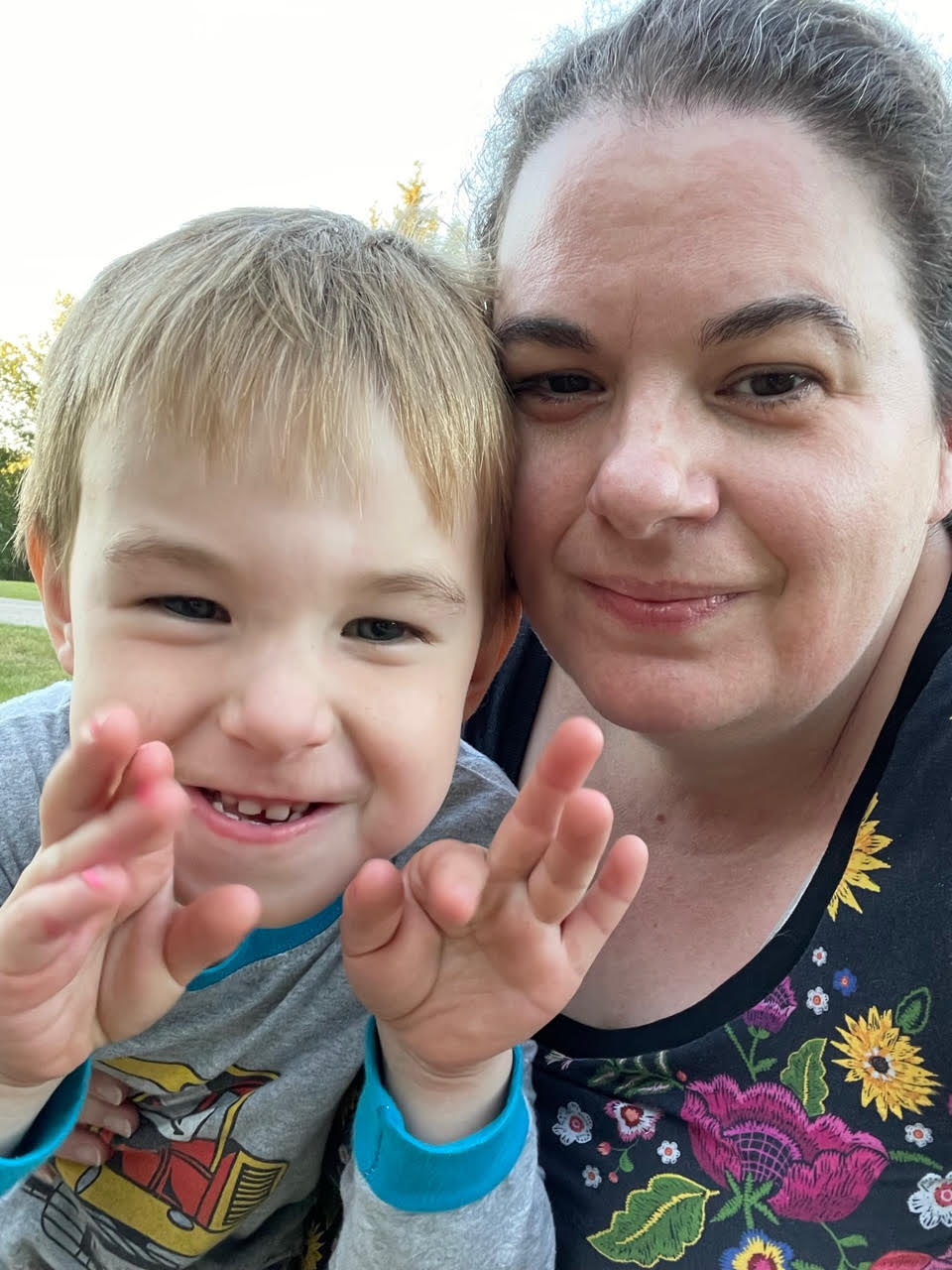
Jennifer, Kristin and Sarah mentioned that judgment and childcare were challenges that they’ve had to overcome over the years. People judge moms who work away from home, at times, and there was an instance where a doctor couldn’t understand that it was Kristin’s husband who was taking vacation time so that she could go into the field. One of the husbands has been asked if he is babysitting when watching the kids, and childcare gets extra tricky when you factor in traveling.
“My husband also has his own startup. There’s a lot of balance of trying to balance traveling between the two of us. As much as it would be cute to have little hard hats for the kids, they’re not accessible or to code.”
At one point, Jenny had a bank ask her when she was going to be pregnant because they thought this would affect lending. This was not the 1940s, and there are still veiled aspects of this in society. If you care enough about your career, you will find solutions. That doesn’t mean that we can’t lobby for changes that will improve the situation for everyone, and the situations described above illustrate how important this is. For these women, it’s been incredibly rewarding to be able to pay it forward to other women in archaeology through mat leave and just general supports. Knowing you have job security post-pregnancy is a game changer. The course is being corrected as we speak. Kristin reflected, “I surely never saw myself in management when I became a permit holder, but it’s good to show that there are jobs for women that are full-time not always in the field.”
Having a child doesn’t have to be a death sentence for your career. Moms are the best multi-taskers in the world, and that is a superpower! They have this running of all the things that need to get done, and that is absolutely an asset when it comes to archaeology.
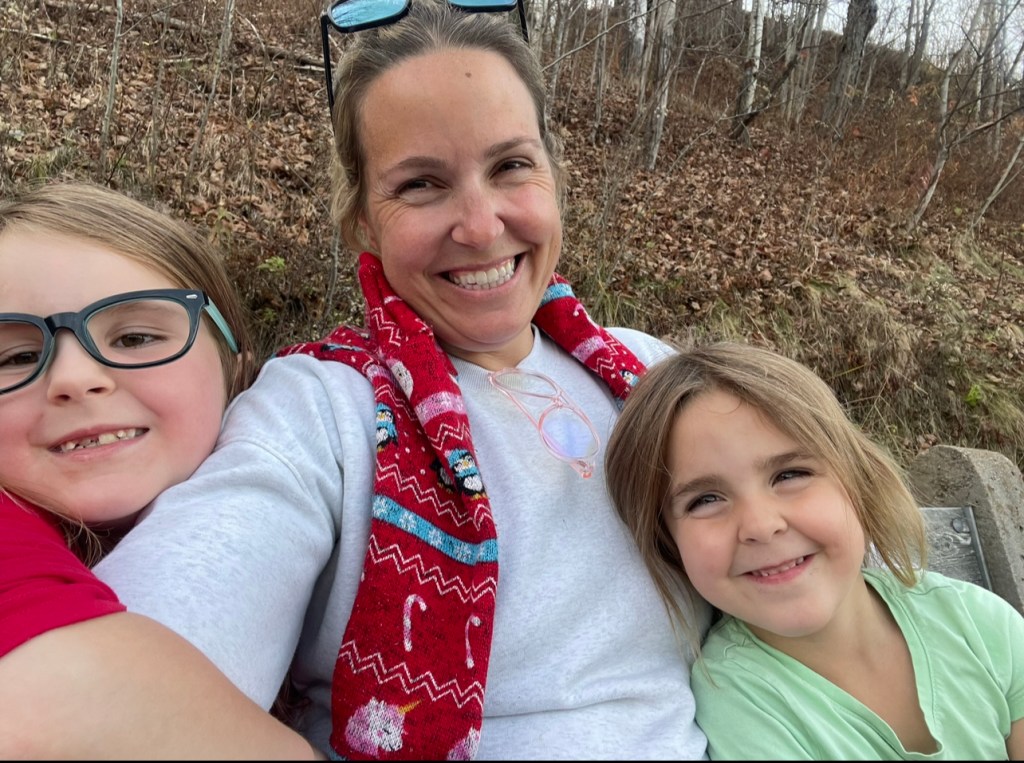
Despite the challenges, these women find the experience of being a parent rewarding. Sarah loves being able to pay it forward to those who will be working for her by providing maternity leave and job security. Jenny loves being able to show her kids the world of archaeology, and the fact that women can have jobs in male-dominated fields. Kristin finds it rewarding to be able to work full-time in archaeology without having to go in the field all the time.
These women also share some advice for others who may be navigating similar challenges. Chelsea emphasizes the importance of being motivated and creative, and finding ways to show value beyond just being an amazing archaeologist. Jenny encourages other moms to lean into having babies and to give themselves grace, while Sarah advises paying attention to yourself and giving yourself time to relax and recover after giving birth.
In the end, these women show that it is possible to have a fulfilling career in archaeology while also raising a family. It takes hard work and perseverance, but the rewards are worth it. By sharing their experiences and advice, they inspire other women to pursue their passions and build successful careers, regardless of the challenges they may face along the way.
If you could go back in time, before you become a mom, what would you tell you?
Sarah: Relax, lean in, give yourself grace. It took me a long time to find myself again.
Jenny: I would lean into having my time with my babies, and also chilling out after my c-sections.
Chelsea: The hardest part of my entire life was the first 6 months of my daughter’s birth. You feel like you fall short. Everyone feels like they don’t know what they’re doing. It’s important to bring into the conversation that not every pregnancy is perfect.
Kristin: Surprise – you’re going to have kids! Finding your voice and being able to recognize when things are going down a deep spiral. Things are going to work out and It’s ok to do what you need to do to take care of yourself and your children.
What would support you more to help you in your careers?
Sarah: The old adage “it takes a village” – having extra support if I need to go in the field. If I can be a resource for someone to talk to, hopefully that can continue.
Jenny: The support. Everything is accessible, just little steps need to be made to make things better.
Kristin: People having an open mind and parenting in different ways. Everyone is doing their best, so just try to be kind and understanding.
We hope that you enjoyed this recap of The Fair Field Foundation’s Parenthood and the Field session, and if you want to learn more about us, feel free to give us a follow on Instagram, Facebook and LinkedIn. We’re always love hosting insightful, exciting events, and we just introduced our new Mentorship Program. Happy Mother’s Day, from TFFF team to you.
 The Fair Field Foundation