
Dr. Phyllis Johnson on Refusing to Give Up
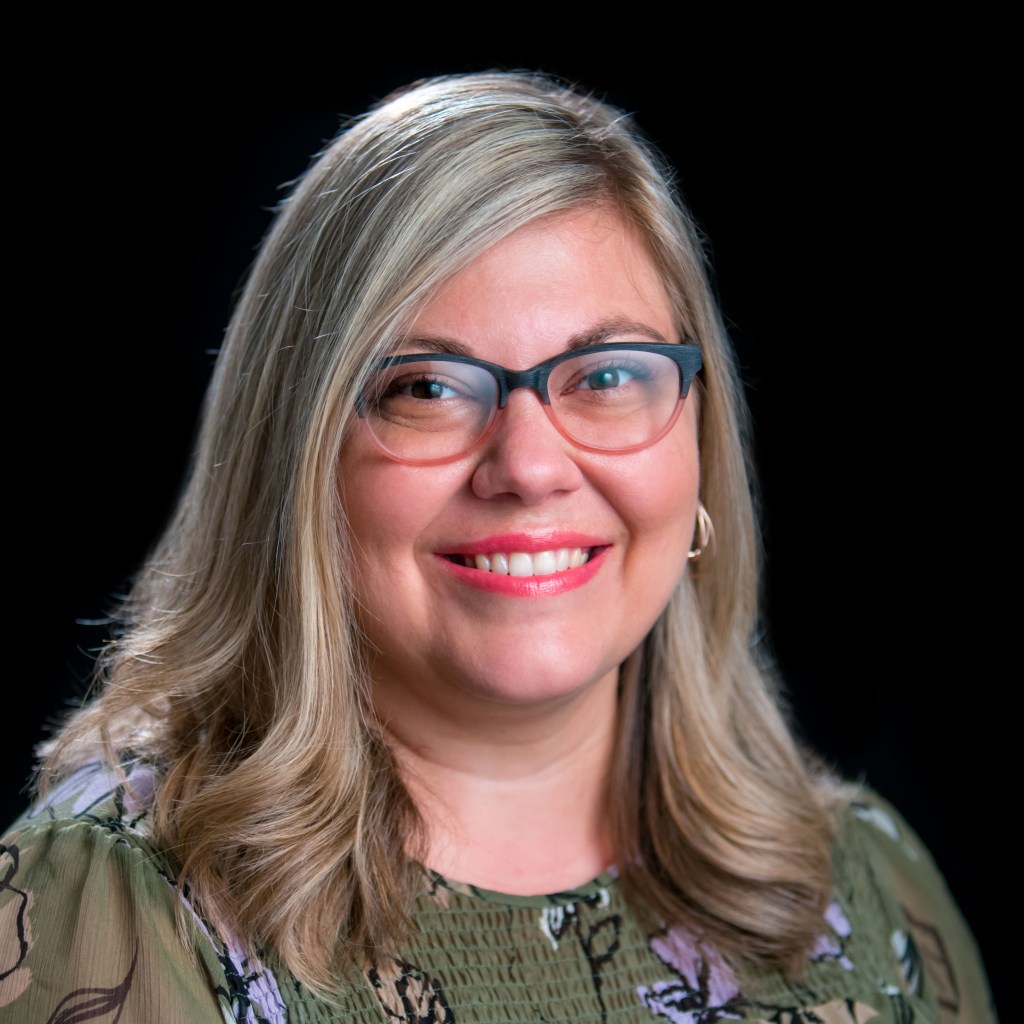
Phyllis Johnson shows up exactly as she is—no pretense, no performative polish. She’s bold, warm, and unafraid to name what needs fixing. Whether she’s mentoring young women in archaeology or advocating for safer fieldwork environments, she has built her career by challenging what the field expects—and who it’s built for.
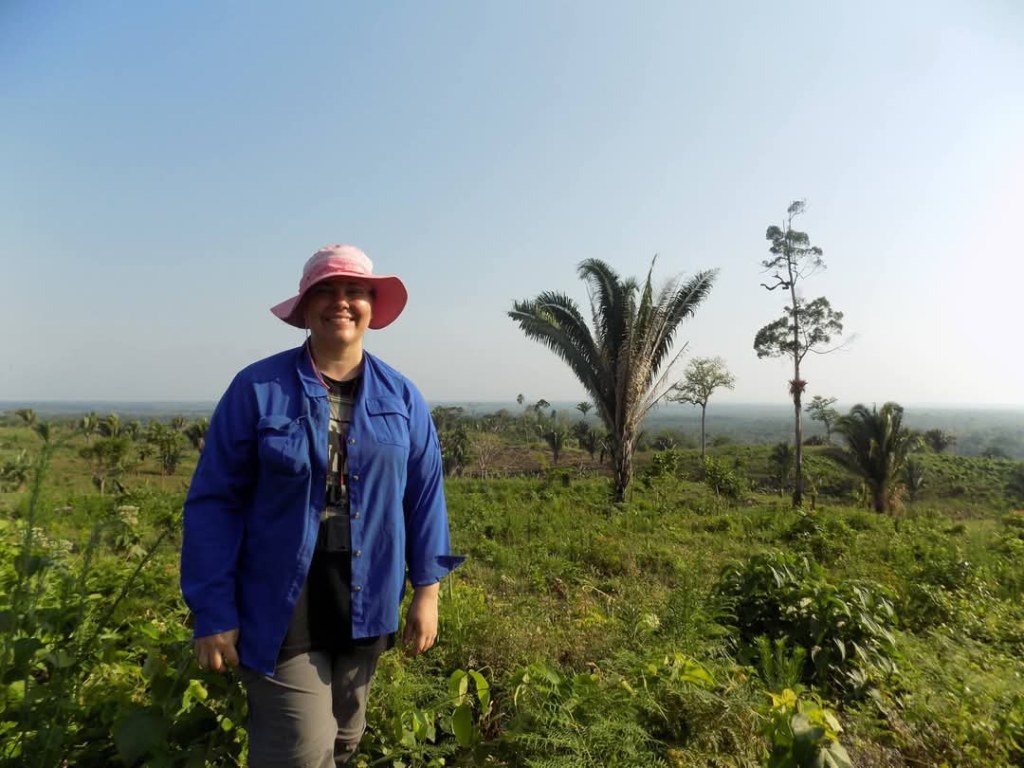
Behind that presence is nearly 20 years of archaeological experience across the Midwest, Southeast, Northern Plains, and Guatemala. With a PhD from Vanderbilt and an MA from the University of Tennessee-Knoxville, she’s built a career in Cultural Resource Management, led the Augustana University Archaeology Lab, and in Fall 2025, she’s headed to Michigan State University as an Assistant Professor of Anthropology.
But none of that came easy. In this Q&A, Phyllis shares the realities behind her success—what it took to get here, what she’s still unlearning, and what she’s helping to rebuild for the next generation.
What were some of the biggest challenges you faced in your career?
As a first-generation student from a background of extreme poverty, college—and later, graduate school—felt like stepping into another world. I didn’t grow up around academia, and it showed. I worked 25 to 40 hours a week while in school just to get by. My parents couldn’t support me financially, and I didn’t have the same safety net as many of my peers. I remember overhearing some classmates express shock that another student was on food stamps. What they didn’t know was that I was, too, but I never felt safe enough to say so.
Even after earning my degrees, confidence was still a struggle. I often felt out of place, especially when most of the people around me had parents who’d gone to college, or were academics themselves. I remember sitting in seminars and quietly Googling the words others used because I didn’t know what they meant. I was trying to keep up, while others seemed to already know the rules.
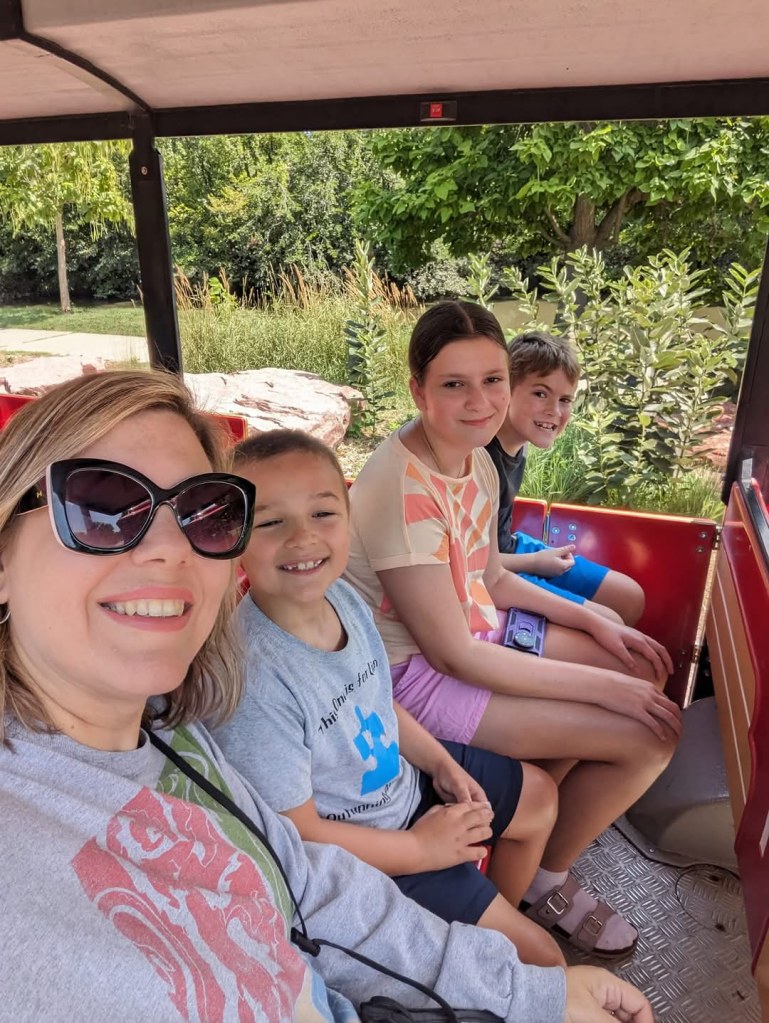
That sense of disconnect followed me into my first CRM job, and later into my PhD program. At that point, I was one of only two women in the program with children. I had two kids when I started, and by my second semester, unexpectedly, three. My university had no support systems for student parents, so my ability to be on campus was limited. I missed out on events, not because I didn’t want to be involved, but because I had to be home. And I always felt pressure to hide that part of my life to be taken seriously.
What helped you move through those challenges?
Honestly, mentorship—both receiving it and offering it. I was lucky to have a supportive partner, fellow students who babysat so I could take exams, and faculty who made space for me. That made a real difference. But what changed everything was working with students who came from similar backgrounds.
When they told me how powerful it was to see someone in archaeology who sounded like them, who got it, I realized I didn’t have to keep performing. I started code-switching less. I stopped trying to “sound smart” and just allowed myself to be real. That alone lifted a huge amount of stress.
Mentoring other mothers has been especially meaningful. For so long, we’ve been told—explicitly or implicitly—to hide the fact that we have kids. I’m done with that. I encourage every mother I work with to bring her whole self to the table. That’s how we begin to change the culture—not by adapting to outdated expectations, but by showing up and shifting what’s expected.
What are some of the most meaningful accomplishments you’re proud of?
Honestly? Earning my PhD. It took years, three kids, a full-time job, and more exhaustion than I can describe—but I did it, and I’m damn proud of that. In a family where higher education wasn’t always an option—my grandparents likely never had the chance to attend high school—it means even more. Now, more and more of us are earning degrees, and it’s incredible to see that shift happening within my own family.
I’m also proud of the work I’ve done to help make archaeology safer and more inclusive—for women, for mothers, and for people from underrepresented or underserved backgrounds. I may have only supported a handful of people directly so far, but I believe that kind of support spreads. One person lifts a few, who lift a few more, and eventually it catches, until change moves like wildfire, and this field becomes a place where everyone feels like they belong.
There have been so many setbacks since childhood, and very little about this path has been easy. But I’ve always kept going. I refused to give up—and I’m proud of that. What means the most to me is being able to set that example for my children and open doors that were never open for me.
What inspired you to become a mentor with The Fair Field Foundation?
I absolutely love supporting other women in archaeology. There’s something powerful about seeing early-career women or students dealing with the same fears and insecurities I had, and being able to help them through it.
I didn’t have many women mentors when I was coming up, and the ones I did have didn’t come from a background like mine. But I’ll always be grateful to them. They showed up for me because they genuinely cared. Not because it helped their careers, not because it earned them anything. It didn’t go on their CVs. They just wanted to see me succeed.
Now I get to do the same. I may have only supported a handful of people directly so far, but I believe that kind of support spreads. One person lifts a few, who lifts a few more, and eventually it catches—until change moves like wildfire, and this field becomes a place where everyone feels like they belong.

What do you find most rewarding about your work?
At this point in my career, I want everything I do, whether it’s research or teaching, to actually matter. I have no interest in adding things to my CV just for the sake of it. What fulfills me most are the projects rooted in ethics, equity, and care—especially those that challenge how archaeology has traditionally been done.
In the past few years, I’ve focused more on equity in the field, the role of women in archaeology, and the integration of Indigenous knowledge. That work has been far more personally and professionally meaningful than a lot of what I did earlier in my career.
I also feel lucky to be doing this work at a time when the broader archaeological community is finally paying attention to these conversations. A few decades ago, much of this would’ve been dismissed. Now, there’s a foundation to build on. And I feel privileged to be part of that momentum. I hope future generations take it even further. I know I still have a lot to learn, so I will keep listening, showing up, and doing better.
What are some of the greatest lessons you’ve learned from your own mentors?
Some of the most meaningful lessons I’ve learned came from other mothers, often in what felt like small, passing conversations at the time.
I remember working as a TA with a professor at my PhD institution who wasn’t on my committee and wasn’t even in my subfield. But she still made time to ask me about my career plans and encourage me to keep going. She’d also been a mother when she finished grad school and entered the job market, and I’ll never forget what she told me.
She said she never hid the fact that she had kids, and she urged me to do the same. Her advice was simple but powerful: “If you go for an interview and no one has photos of their kids in their offices—or even mentions their kids—that’s not a place you want to be. Those people aren’t family-friendly.”
That stuck with me. It’s the kind of advice I’ve passed along to others more times than I can count.
What advice would you give to your younger self?
I’d tell her to be more confident and a lot less afraid. She’s just as smart as everyone else in the room. Even when she has to quietly Google words to keep up. I’d tell her to hold her head high anyway.
I’d remind her to be patient, because one day we won’t be broke and barely scraping by. One day, all those dreams (plus a few we didn’t even know we had) will come true. I’d encourage her to find more women in the field and pay close attention to how they move through the world.
And I’d tell her that life won’t unfold exactly the way she imagined—but that’s not a bad thing. Somewhere along the way, a partner and children will enter the picture, and while they weren’t part of the original plan, they’ll bring a kind of support and joy that helps carry us forward.
More than anything, I’d want her to know that everything she’s pushing through will matter. It’s worth it. And she’s going to make it.
You belong here
There’s a lot to take from Dr. Phyllis Johnson’s story—about resilience, about knowing your worth even when you feel out of place, and about what changes when someone simply believes in you. Her path reminds us that success doesn’t always look like the version we’re sold—and that community can make all the difference.
If this story resonates with you (or the person you’re becoming), mentorship might be your next step. Sign up today to become part of a community that’s here to lift, listen, and grow with you. And stay looped in with us on Instagram, Facebook, and LinkedIn—we’re building something real, and you belong here too.
 The Fair Field Foundation