
Dr. Katie Biittner on What It Means to Be Human
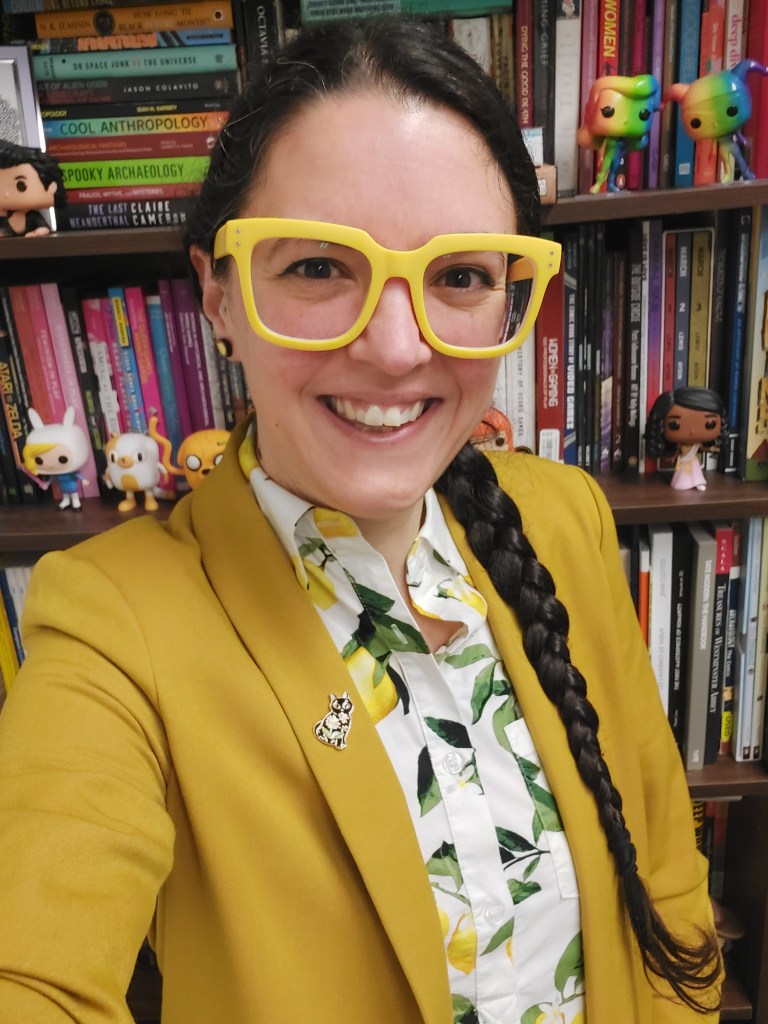
Dr. Katie Biittner is “aggressively human.” A passionate, dedicated educator committed to mentoring the next generation of archaeologists, she strives to create authentic, inclusive spaces where students and colleagues alike can show up exactly as who they are—and thrive.
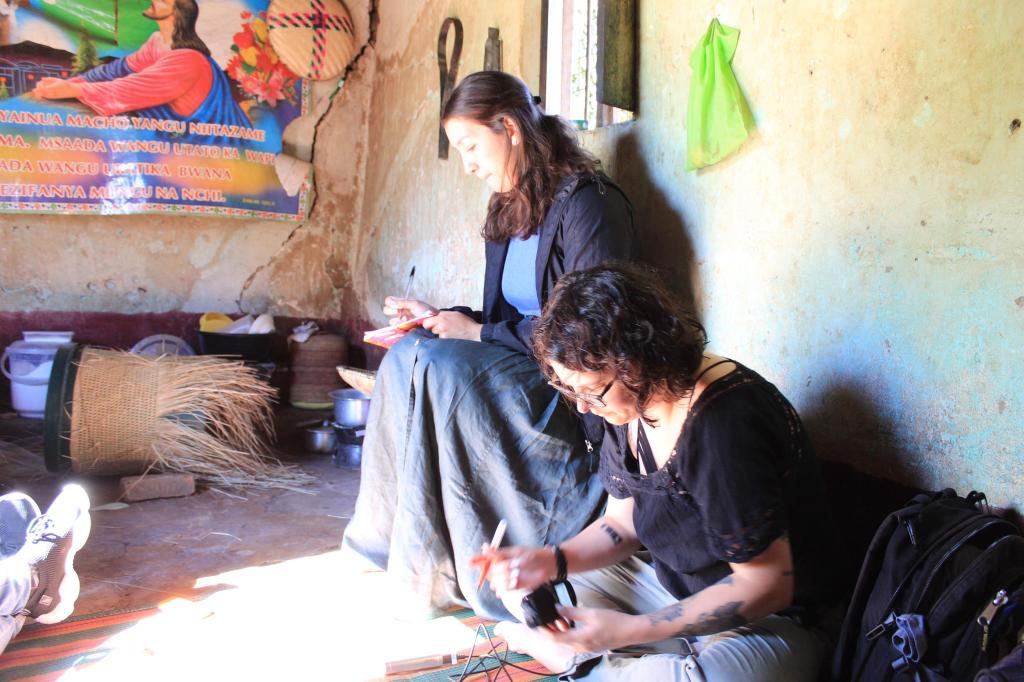
With over twenty years of archaeological field experience, and in her role an Associate Professor of Anthropology at MacEwan University, Dr. Biittner has led excavations, supervised graduate and undergraduate students, directed field schools, provided ethnographic and archaeological training, and developed community outreach programs.
Her research looks at what technology can tell us about being human, from Stone Age tools made and used by early humans in Tanzania to the digital artifacts of early video games that launched the global industry we know today.
She challenges her students to think critically about archaeology itself: what it is, who archaeologists are, and how the field helps us understand human technological behaviour. And in this Q&A, Dr. Biittner reflects on who she is: as an individual, as a professor, and as a researcher. Keep reading as she shares about her challenges, accomplishments, and the love of self and learning that continue to drive her work.
What were some of the biggest challenges you faced in your career and what helped you move through them?
Most of us face imposter syndrome at some point in our lives, so I know it isn’t unique to me, but it has significantly shaped who I am. For a long time, I limited myself because I didn’t think I was smart, talented, or knowledgeable enough to do the thing. I had to push myself to attend events, to talk to people, even when that inner voice said I didn’t belong or wouldn’t be welcome. I had to force myself to apply for scholarships and jobs I was sure I wasn’t qualified for.
Over time, I learned that I had no real evidence for all those negative outcomes I imagined. The only way to know for sure was to try. To put myself out there and ask.
I’ll never forget a conversation with one of the project directors at Olduvai Gorge. I mentioned that I’d always wanted to work there and he asked, “So why aren’t you?” I didn’t have an answer, just that I’d never tried. He told me I’d be welcome to work with him anytime. All I had to do was ask. That moment really stuck with me. It made me wonder how many opportunities I might’ve missed simply because I didn’t ask, or because I held myself back.
Part of that hesitation came from not having the same resources or guidance that many of my peers did. I’m the first person in my family to complete a graduate degree. Only three of my cousins have finished undergraduate programs, that’s it for my extended kin group. None of my parents, grandparents, aunts or uncles went to university, and most didn’t finish high school.
I once asked my dad a question about course selection after getting into my undergrad. I remember him looking so deflated when he realized he couldn’t help. He just didn’t know. Then he said, “Isn’t there someone at the university you could ask who would know?” That question, that advice has stuck with me all these years.
My dad taught me to seek out experts and not be afraid to ask questions. But I have to admit that figuring out who to ask, when to ask, and how to ask felt hard. All of those extra steps were taxing and often made me question whether I truly belonged in the first place.
The last big challenge was a practical one. I’m Edmonton born and raised, and early in my career, I made the decision to stay here for personal reasons. My then-spouse and much of our family lived nearby. Staying local limited my job options and for many years, I wasn’t sure I’d ever reach my goal of becoming a professor. But eventually, I found my way to a permanent position at MacEwan.
What are some of the most meaningful accomplishments you’re proud of?
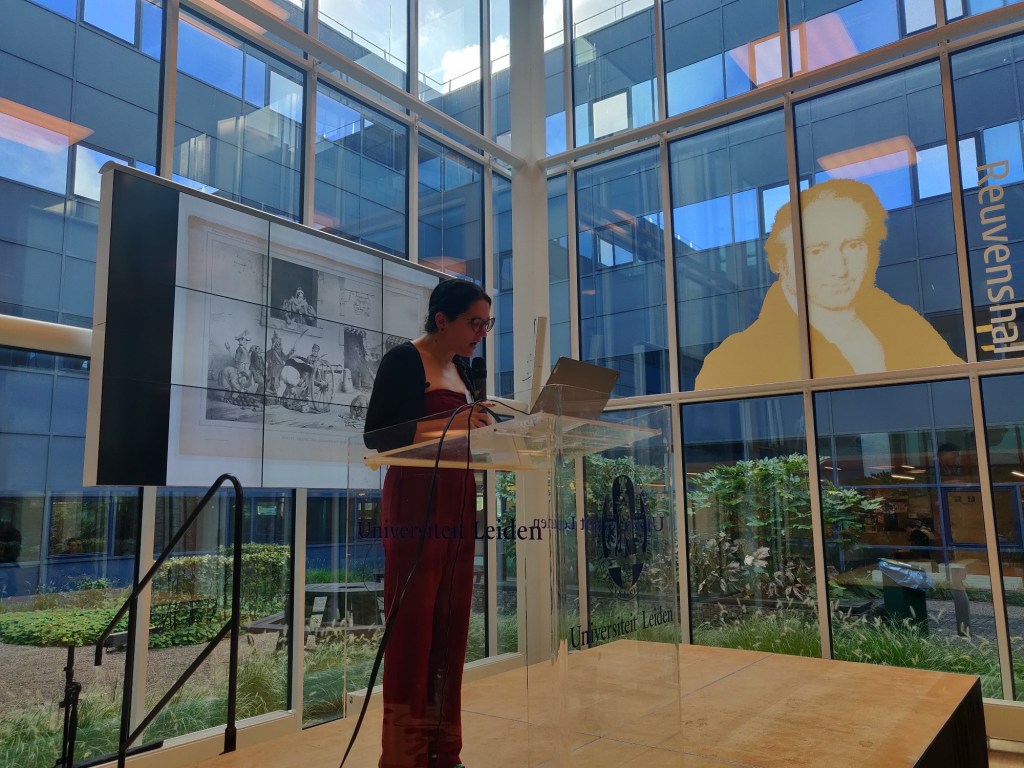
I’m really proud of my TEDx talk: Witchcraft, water bottles and white privilege. It was tough to do. TEDx is a super rigorous process with tons of preparation and rehearsal, and it happened during a particularly challenging time in my personal life. I actually burned out right after it! But despite that, my talk has had a life of its own. Several colleagues use it in their teaching to illustrate points about witchcraft or racism, and I still get random messages from people who’ve watched it.
And my kid thinks it’s the coolest thing! I’m so grateful I got to do it and feel so proud. I see it as a reflection of who I am both as an educator and as an archaeologist.
What inspired you to become a mentor with The Fair Field Foundation?
My students and my teaching have always inspired me. I often talk about how I see it as my responsibility, as an educator, to help shape and nourish the next generation of archaeologists in my classes. But over time, I realized that supporting individuals outside the classroom is just as critical. When I saw the call for mentors, it felt like the perfect opportunity to put my money where my mouth is and become more active in the broader archaeological community.
I’m also inspired by the ongoing push for equity, diversity, inclusion and accessibility in society at large. Representation matters. As a queer, relationship anarchist, I feel a responsibility to use my position as a tenured professor to be a visible example and advocate for EDI in our field.
What do you find most rewarding about your work?
Seeing my students graduate and go on to achieve their goals. My first honours student just started their PhD. I had the privilege of serving on their MA committee and it’s been incredible following them along their academic journey. My first PhD student is now teaching at a university and running their own successful research program. I’ve also seen several students find fulfilling careers in museums and CRM companies.
On a personal note, my kid thinks I’m pretty cool so that feels amazing! They love that I’ve done a TEDx talk, published my research, and that I get to travel for conferences. They’re a great reminder of what I’ve accomplished and the rewards and privileges that come from years of hard work I’ve put in.
What are some of the greatest lessons you’ve learned from your own mentors?
Be your most authentic self in all the things you do. There’s no need to hide who I am or separate my identity as an individual from my role as a professor or researcher.
Archaeology thrives on diversity and inclusion, and the support I offer is firmly rooted in being “aggressively human.” I have to be true to myself so others can be themselves too.

What advice would you give to your younger self?
Stop being your own worst enemy. Apply for that thing. Ask those questions. Take up space.
The only person holding you back is you.
Just ask
There’s a lot to take from Dr. Katie Biittner’s story—about putting yourself out there, using your position and privilege to advocate for our communities, and showing up authentically. Her path reminds us that we are always worthy and belong, even when we don’t feel fully ready.
If this story resonates with you (or the person you’re becoming), becoming a mentor might be your next step. A fresh group of mentees is already lined up and eager to get started in the new year, and we want to make sure each of them has the guidance and support they deserve. New pairings begin each January, but you can register anytime.
Want to become part of a community that’s here to lift, listen, and grow with you? All you need to do is ask. Sign up today.
 The Fair Field Foundation