
Failing Up: Stories of Mistakes and Failures in Archaeology

In archaeology, we talk about methods, best practices, and outcomes. We talk about success stories and polished careers. What we talk about far less is the uncertainty, the fear, and the moments where we get it wrong and have to sit with the consequences. For many women and people from marginalized communities, those moments can feel especially isolating and carry higher stakes.
At a recent panel hosted by The Fair Field Foundation, three leading women in archaeology came together to speak candidly about mistakes, growth, and what it takes to stay in the field. Moderated by Margarita de Guzman, Managing Director and CEO of Circle CRM Group and founder of The Fair Field Foundation, the conversation featured:
• Dr. Dana Lepofsky, Professor Emerita in the Department of Archaeology at Simon Fraser University (Greater Vancouver, British Columbia)
• Dr. Amelia Fay, Director of Research, Collections, & Exhibitions, Manitoba Museum (Winnipeg, Manitoba)
• Dr. Phyllis Johnson, Assistant Professor of Anthropology at Michigan State University (East Lansing, Michigan)
Together, they shared stories from across academia, museums, and cultural resource management that made one thing clear. Mistakes are not a sign that you do not belong. They are often a sign that you are doing real work, in real communities, with real stakes.
As the conversation unfolded, a few ideas kept coming up across very different stories. Here’s what we learned.
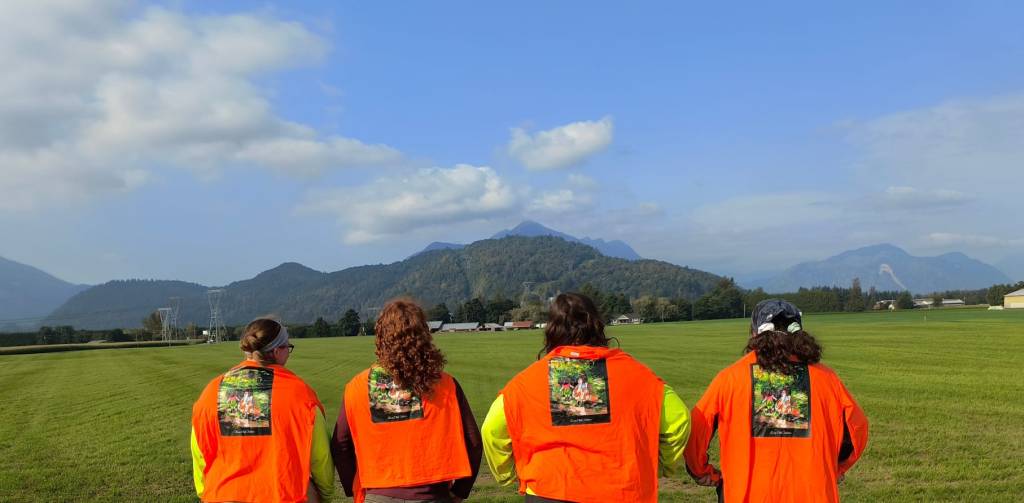
Mistakes don’t mean you don’t belong
None of the stories were about getting everything right.
Dr. Dana Lepofsky shared a moment from her work with the Nuxalk Nation that continues to shape how she thinks about community-based archaeology. Reflecting on a traditional food project, Dr. Lepofsky learned how the Nuxalk Nation expressed generosity, relationship-building and respect through gifts of nourishment. These gestures carry cultural weight and are essential to establishing trust.
On the CRM side of the field, Dr. Phyllis Johnson learned that field safety isn’t negotiable, and even technical expertise doesn’t matter if you compromise basic safety protocols.
Across career stages and sectors, the message was consistent. Mistakes are inevitable. What matters is how you respond, and whether you are willing to learn.

Institutional decisions have lasting impacts
Not all mistakes come from individuals.
Early in her career at the Manitoba Museum, Dr. Amelia Fay began a project with a local First Nation. She traveled to the community, met with leaders and Elders, and generated enthusiasm for co-creating a project together. However, when institutional priorities changed, the project was cancelled and abandoned. This cancellation felt like a broken promise to the community, and repairing the trust has taken years.
Her story was a powerful reminder that institutional work comes with limits, and that promises carry weight even when they are implied. Repair is possible, but it requires time, humility, and consistency. That reality is not often acknowledged in professional spaces, but it is central to ethical community-based work.
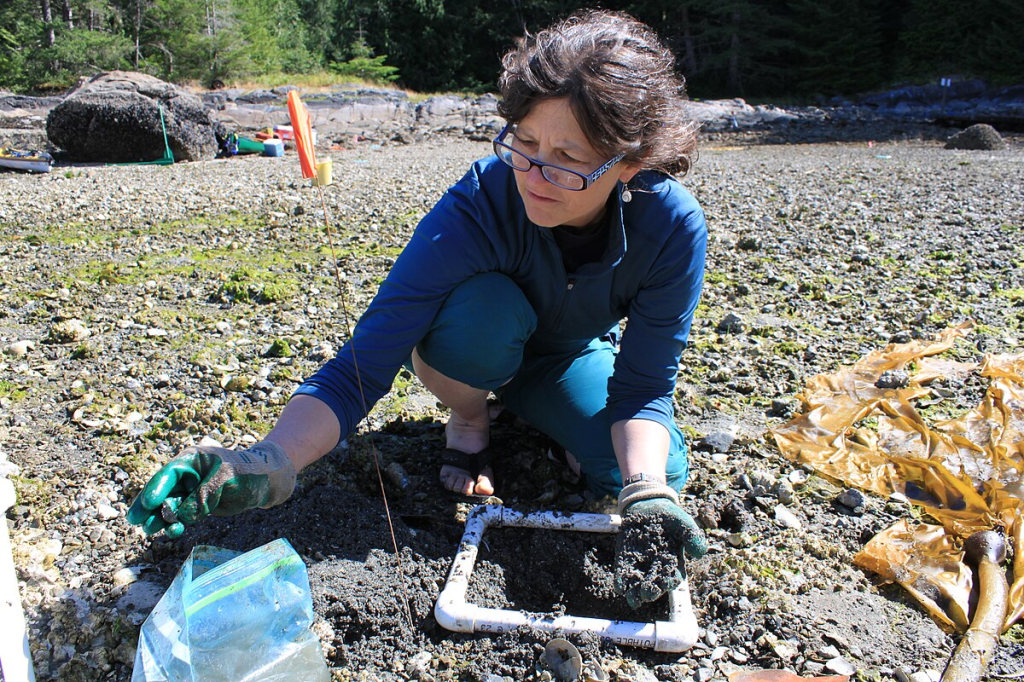
Leadership is a responsibility
Leadership in archaeology is often framed as a natural next step or a marker of success. The panelists were clear that it is far more complicated than that.
For Dr. Lepofsky, her archaeology project has brought settlers and Indigenous people into difficult conversations about heritage and colonialism. Our learning was that true leadership means using one’s seniority, experience, and privilege to absorb conflict and create safer space for others (especially more vulnerable team members) to participate in the work.
Dr. Fay described stepping into a director role; feeling fear and self-doubt, both of which are common in women at any stage of their career. What she didn’t expect was a positive response from the team. This reaction helped her reframe what leadership means: an act of care for others, not personal ambition.
In each case, leadership involved risk. Social risk, professional risk, and emotional risk. None of it came with guarantees.

Letting go of needing to know everything
One of the strongest shared themes was the need to release the idea that archaeologists are entitled to all knowledge, especially when that knowledge belongs to Indigenous communities.
Dr. Phyllis Johnson recalled working with a Tribal Historic Preservation Officer who told her she could excavate in one area but not another, without explanation. Her training made her want all the data and reasons, but the officer’s response shifted her thinking: some knowledge isn’t hers to hold, and that’s okay.
Dr. Lepofsky learned a similar lesson early in her career. While working in a leadership role over a crew who knew the land far better than she did, instead of asserting authority, she listened.
What both stories reveal is the same uncomfortable truth. Good archaeology does not come from knowing more than everyone else. It comes from knowing when to listen, when to step back, and when to let go. Letting go of the need to know everything is not a weakness. It is a requirement for ethical and collaborative work.

Building cultures where learning is possible
Across all three stories, the same question surfaced again and again. What kind of culture are we building in archaeology?
Is it one where mistakes are hidden, punished, or quietly held against people? Or is it one where mistakes are treated as information, and growth is expected and supported?
Each panelist spoke to what it takes to build learning friendly environments in very different contexts. In museums, that often means recognizing that institutional protocols are not neutral. When Indigenous communities reconnect with their belongings, museum practices must adapt to Indigenous protocols. Objects are not arranged or handled the same way they would be for staff or researchers. Comfort, ceremony, and relationship come before institutional habit.
In CRM and teaching spaces, it means creating room to try, ask questions, and learn without fear. Students are encouraged to test ideas when the stakes are low, to talk through what they think should happen next, and to show up as whole people with families, health needs, and lives beyond the field.
Without these practices, the work itself falls apart.
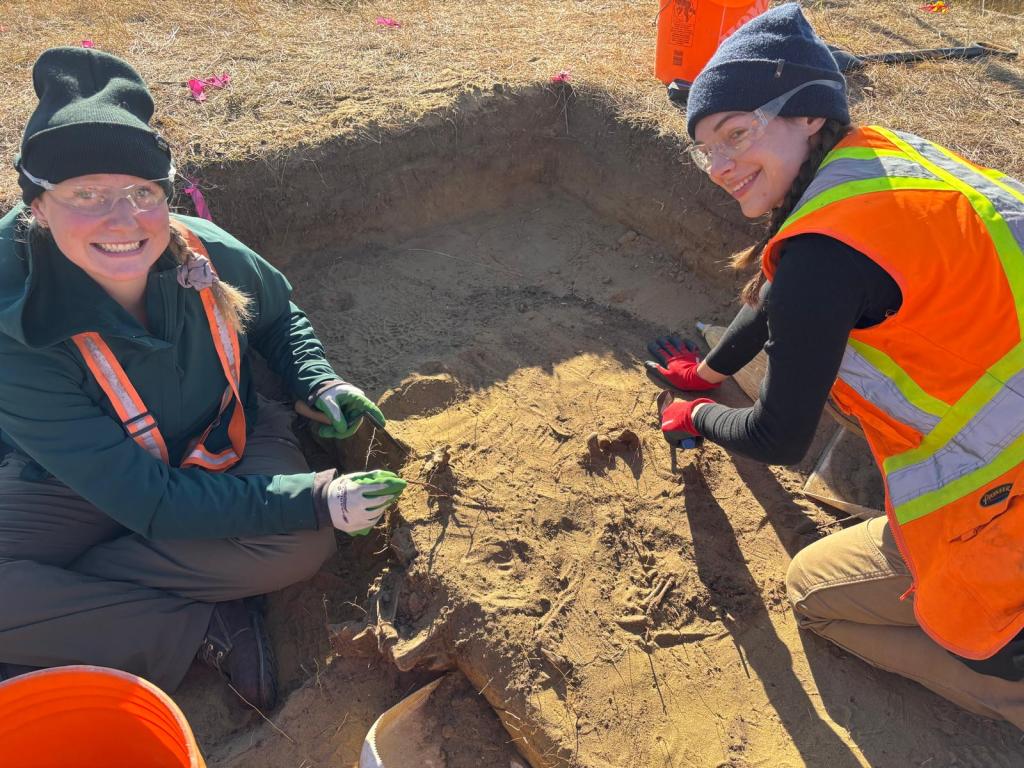
Moving forward together
Archaeology is better when we make space for conversations like this. When we are honest about what the work actually asks of us. And when we stop treating mistakes as something to hide, instead of something we learn from together.
The Fair Field Foundation was created to support women in archaeology and others who have historically been pushed out of the field. Our mentorship program connects women across career stages, not to offer perfect answers, but to share experience, ask honest questions, and navigate this work alongside people who understand it.
If you are looking for mentorship that grows with your professional career, join us today. And if you want to stay connected beyond mentorship, you can also find us on Instagram, Facebook, and LinkedIn, where we share stories, resources, and conversations from women across the field.
 The Fair Field Foundation